

Walk into a home that has been cared for well and the difference is immediate. The air smells clean, floors feel solid and fresh underfoot, and the rooms are quiet except for the sounds of the people living there. Outside, the perimeter stands straight, the canopy overhead is healthy, and the shell sheds rain without complaint. That sense of solidity is not just aesthetic. It reflects a house where moisture, pests, and structural wear have been kept in check for years.
Homes that lack that feeling usually have a few common problems working against them. Water slips in at valleys and vents, animals find their way into the attic, damp spaces encourage fungal growth, and worn floors trap dust and allergens. Outside, posts loosen, large specimens decay, and wastewater systems begin to fail. Inside the walls, aging wiring struggles to keep up with modern demands. Healthy air, fresh floors, and a property that stands its ground come from understanding these weak points and fixing them in a deliberate, coordinated way.
A Closer Look at Valley Flashing and Ridge Vents
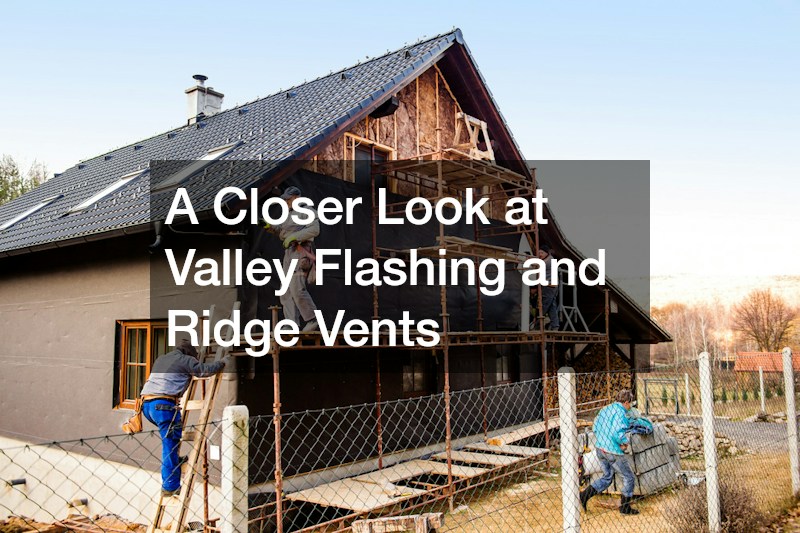
Valleys and ridges are two of the hardest-working parts of the shell. Valleys channel runoff from two slopes into a single path, concentrating water and debris, while ridge vents release hot, moist air from the attic. When valley flashing corrodes or shingles crack where they bend, water slips underneath and soaks the decking. When ridge vents are blocked, damaged, or missing, heat and humidity build up in the attic, feeding mold and shortening shingle life.
Homeowners who hire a roofing company to address these areas usually see benefits that go beyond stopping a single leak. Failed valleys are rebuilt with ice-and-water membrane and new W-style metal flashing or properly woven or closed-cut shingle valleys, and damaged decking is replaced. Ridge vents are cleared or replaced with continuous baffled models, and soffit intake is opened so air can move freely from eave to peak. The result is a drier attic, cooler shingles, and fewer moisture problems inside the house. Pipe boots and step flashing are checked during the same visit so nearby weak points are not left for later.
A Closer Look at Raccoons, Squirrels, and Bats in the Attic
Attics offer animals warmth, shelter, and protection from predators, especially during breeding season. Raccoons tear open soffits and roof returns, squirrels chew through fascia and vent covers, and bats squeeze through gaps as small as half an inch. Once inside, they shred insulation, chew wiring, and leave droppings and urine that contaminate the space and can carry diseases such as histoplasmosis and roundworm.
Licensed wildlife removal companies handle these situations with methods that are safe, humane, and compliant with local regulations. Technicians identify the species, find every entry point, and install one-way exclusion devices that let animals leave but not return, timing work around birthing seasons to avoid trapping young inside. Once the attic is clear, openings are sealed with heavy-gauge hardware cloth, metal flashing, and chimney caps. Contaminated insulation is removed, surfaces are sanitized, and new insulation is installed to restore energy efficiency. Limbs within reach of the shingles are trimmed so animals have no easy path back.
A Closer Look at Porcelain Grout Lines and Level Substrates
Hard surfaces are only as durable as the base beneath them. When porcelain or stone is set over an uneven, flexible, or poorly prepared subfloor, the surface cracks, grout lines break apart, and pieces loosen over time. Lippage, where one edge sits higher than its neighbor, creates tripping hazards. Grout that was mixed incorrectly or applied without proper curing crumbles and stains, letting moisture and dirt work into the joints.
A professional ceramic tile flooring service starts by checking the subfloor for deflection and flatness, adding plywood or reinforcing joists where needed and installing cement board or an uncoupling membrane to isolate the surface from movement. Self-leveling underlayment corrects dips and humps. Pieces are set with the correct trowel notch for full coverage, using leveling clips to control lippage, and movement joints are placed at the perimeter and at regular intervals. High-performance or epoxy grout resists stains and cracking for years, and a final sealing step on natural stone protects the surface from spills.
A Closer Look at Padding, Seams, and Power Stretching

Soft flooring that wrinkles, ripples, or shows visible seams usually was not installed correctly. Thin or worn padding lets the surface wear unevenly, while poorly placed seams draw attention and can separate under foot traffic. When the material is not stretched tightly enough during installation, it loosens over time, creating bumps and ridges that are both unsightly and a tripping hazard, especially in busy hallways and living rooms.
Quality carpet installations depend on careful preparation and the right tools. Installers remove old material, repair or replace damaged subflooring, and install tack strips around the perimeter. Dense rebond or memory foam padding is chosen to match the product and traffic level, and seams are planned to fall in low-traffic areas and run in the direction of light from windows. Power stretchers, rather than knee kickers alone, are used to tension the material tightly across the room, preventing ripples. Transitions to hard surfaces are finished with low-profile strips, and edges are tucked neatly along baseboards.
A Closer Look at Loose Pickets and Wobbly Gate Posts
Pickets loosen as fasteners rust or wood shrinks and swells with the seasons, and once a few boards pull free, the perimeter starts to look neglected. Gate posts take a beating from the weight and leverage of swinging gates, and when their footings are shallow or rotted, they lean and wobble. Gates then sag, drag on the ground, and fail to latch, compromising security and allowing pets to escape.
Timely fence repair keeps small problems from spreading down the line. Loose pickets are refastened with exterior-grade screws, and split or rotted boards are replaced with matching lumber. Wobbly gate posts are dug out and reset in deeper concrete footings, often with a larger post or steel reinforcement for added strength. Gates are rehung on heavy-duty hinges, fitted with anti-sag kits, and adjusted so latches align. A fresh coat of sealer or stain protects the wood, and pickets are trimmed to sit just above the soil so they dry quickly after rain.
A Closer Look at Decayed Trunks Near the House
Decay inside a trunk can be difficult to see from the outside, yet it can hollow out a large specimen over years. Warning signs include fungal conks, cracks, cavities, oozing sap, and dead branches in the crown. When decay compromises the trunk, wind or ice can snap it without warning, and a large specimen close to the house can cause severe damage to shingles, ceilings, and anyone inside.
Bringing in a local tree removal service before a decayed trunk fails protects both people and property. Arborists assess the extent of decay, sometimes using resistance drills or sonic tomography to measure remaining sound wood. When removal is necessary, the canopy is dismantled in controlled sections, with climbers or cranes lowering each piece away from the house. The trunk is cut down to the ground, wood is chipped or hauled away, and the stump is ground below grade for replanting. Nearby specimens are checked for the same fungi, since decay can spread through shared root zones.
A Closer Look at Collapsed Baffles and Broken Outlet Pipes
Baffles inside the wastewater tank keep solids and scum where they belong, directing incoming water downward and preventing floating material from leaving through the outlet. When baffles corrode, crack, or fall off, solids escape into the drain field and clog it. Outlet pipes can also crack or separate due to settling, root intrusion, or freezing, causing effluent to back up into the tank or leak into the surrounding soil.
Effective septic repair starts with pumping the tank and inspecting it with lights and cameras to identify damaged baffles, cracks, and pipe problems. Collapsed baffles are replaced with PVC sanitary tees, and effluent filters are added at the outlet to keep solids from reaching the field. Broken outlet pipes are excavated and replaced with schedule-40 PVC, properly bedded and sloped. Cracked tank walls may be sealed, and risers are installed to make future service easier and safer. The drain field is evaluated at the same time to confirm it can still absorb effluent.
A Closer Look at Hidden Moisture and Airborne Spores
Fungal growth needs only moisture, a food source such as wood or drywall, and moderate temperatures to thrive. Leaks behind walls, condensation on cold surfaces, high humidity in bathrooms and basements, and poor attic ventilation all create ideal conditions. Spores travel through the air and can trigger allergies, asthma, and other health problems, while hidden growth damages building materials and produces musty odors that are difficult to eliminate.
A professional mold inspection combines visual assessment with tools that reveal what the eye cannot see. Inspectors use moisture meters, thermal cameras, and hygrometers to locate damp areas inside walls, ceilings, and floors, and they collect air and surface samples for laboratory analysis to identify species and spore concentrations. The resulting report pinpoints moisture sources and recommends corrective steps, such as repairing leaks, improving ventilation, and lowering indoor humidity below 50 percent before remediation begins. Follow-up testing after cleanup confirms that spore levels have returned to normal.
A Closer Look at Storage Walls, Workbenches, and Durable Coatings
Parking areas often become catch-alls for tools, sports gear, holiday decorations, and everything else that does not fit inside the house. Without a plan, clutter spreads across the floor, making it hard to park vehicles or find what is needed. Bare concrete stains, cracks, and creates dust, while poor lighting and limited outlets make the space less useful for projects, hobbies, or a home gym.
Thoughtful garage design turns that chaotic space into a functional extension of the home. Slatwall or track systems mounted on the walls hold tools, bikes, and gear off the floor, and overhead racks store seasonal items. A sturdy workbench with built-in storage and task lighting creates a dedicated project area. Floors are coated with a polyaspartic or epoxy system over properly prepared concrete for stain resistance and easy cleaning, and additional outlets and LED fixtures improve usability. Insulating walls and adding a ceiling fan or mini-split make the space comfortable year-round.
A Closer Look at Overloaded Panels and Aging Branch Circuits

Many homes still rely on panels and branch wiring installed decades ago, long before modern appliances, electronics, and vehicle chargers. Overloaded panels run hot, and breakers trip frequently, while aging wiring with brittle insulation and loose connections increases the risk of arcing and fire. Older panels from certain manufacturers have breakers known to fail during overloads, and homes with ungrounded circuits lack protection for sensitive electronics.
Licensed electrician services begin with a load calculation and inspection of the panel, grounding, and branch circuits to identify overloads and safety concerns. Outdated or undersized panels are replaced with modern 200-amp panels that provide room for future circuits. Aging branch wiring is replaced or remediated, loose connections are tightened, and ungrounded outlets are updated. AFCI and GFCI protection is added where code requires, and whole-home surge protection helps safeguard electronics and appliances. Dedicated circuits can be added for vehicle chargers, workshops, and new appliances as needs grow.
Healthy air, fresh floors, and a property that stands its ground depend on attention to the details that keep moisture, pests, and wear under control. A well-ventilated shell, a clean and sealed attic, and moisture management throughout the house protect indoor air quality. New hard and soft flooring installed on solid foundations adds comfort and beauty, while thoughtful organization and safe wiring make every room more functional.
Outside, sturdy perimeters, healthy canopies, and a properly working wastewater system protect the property and the people on it. Addressing problems in a logical order, starting with water intrusion and safety hazards before moving on to finishes and organization, ensures that each improvement lasts as long as it should and that no finished surface has to be torn up later to fix what lies beneath it.
A home cared for this way feels solid and secure, from the attic to the backyard. It breathes easier, wears better, and stands up to storms and seasons with confidence, giving its owners a place they can enjoy without worrying about what might be going wrong behind the walls.