Home plumbing systems work quietly in the background until something goes wrong. A clogged drain, leaking pipe, overflowing toilet, or broken water heater can quickly become stressful and expensive. Fortunately, many common plumbing problems can be prevented or minimized with better habits and early attention.
Professional plumbing companies often see the same issues repeatedly. Homeowners who understand a few basic plumbing principles can protect their systems, reduce unnecessary repairs, and respond more effectively when problems do occur.
Know Where Your Main Water Shutoff Is
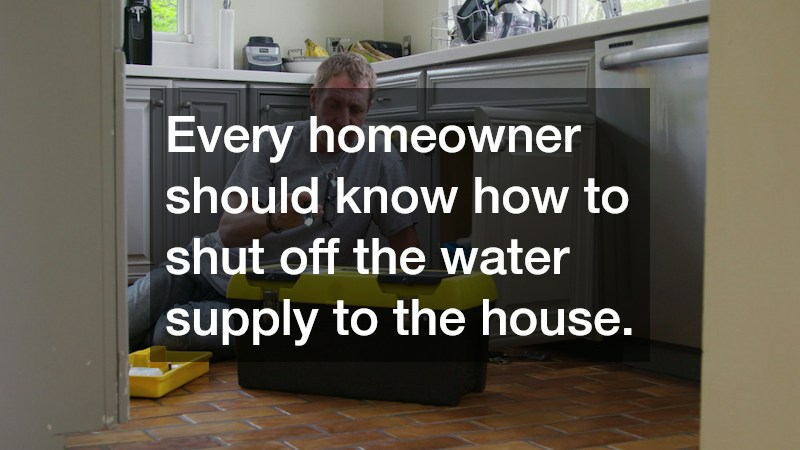
Every homeowner should know how to shut off the water supply to the house.
If a pipe bursts or a major leak develops, stopping the flow of water quickly can significantly reduce damage. The main shutoff valve may be located in a basement, crawl space, utility area, garage, or near where the main water line enters the home.
Do not wait until an emergency to look for it. Locate the valve ahead of time and make sure other household members know where it is too.
Do Not Treat Toilets Like Trash Cans
Toilets are designed to handle human waste and toilet paper. Many other products can create clogs or contribute to drain problems.
Items such as wipes, paper towels, cotton products, hygiene products, and other household materials should generally go in the trash instead.
Even products labeled as flushable can sometimes cause problems depending on the plumbing system. Plumbing companies frequently respond to clogged toilets and sewer lines caused by inappropriate materials being flushed.
When in doubt, throw it away instead of flushing it.
Be Careful What Goes Down the Kitchen Drain
Kitchen drains are another common source of plumbing trouble.
Grease, cooking oil, coffee grounds, food scraps, and other materials can accumulate inside pipes. Grease is particularly problematic because it can cool and harden inside the plumbing.
Instead of pouring cooking grease into the sink, allow it to cool and dispose of it appropriately.
Garbage disposals can handle certain food scraps, but they are not designed to process everything. Fibrous foods, bones, large amounts of food waste, and grease can create problems.
Do Not Ignore Small Leaks
A dripping faucet or small pipe leak may not seem urgent, but minor plumbing problems can become more serious over time.
Even a slow leak can waste water and contribute to moisture damage. If the leak is hidden inside a cabinet or wall, it may eventually damage wood, drywall, flooring, or insulation.
Check underneath sinks and around toilets, water heaters, washing machines, and other plumbing fixtures periodically.
Many plumbing companies recommend addressing leaks early because a relatively simple repair may become much more expensive after water damage develops.
Avoid Relying Too Heavily on Chemical Drain Cleaners
Chemical drain cleaners may seem like a convenient solution for a clogged sink or shower, but repeated use can create additional problems.
Some products contain harsh chemicals that can affect certain plumbing materials, especially when used frequently or incorrectly.
They may also provide only temporary relief if the actual blockage is deeper in the plumbing system.
For recurring clogs, professional drain cleaning may be a better solution. A plumber can determine what is causing the blockage instead of repeatedly treating the symptoms.
Watch Your Water Pressure
Many homeowners enjoy strong water pressure, but excessively high pressure can place unnecessary stress on pipes, valves, fixtures, and appliances.
High pressure may contribute to leaks or shorten the lifespan of plumbing components.
Low water pressure can also indicate a problem, particularly if it affects the entire home. Possible causes include leaks, mineral buildup, valve problems, or issues with the water supply.
If your water pressure changes noticeably, consider having the system evaluated.
Pay Attention to Your Water Heater
Water heaters need maintenance just like other major home systems.
Homeowners should watch for unusual noises, inconsistent water temperatures, leaks, rust-colored water, or reduced hot-water capacity.
Sediment can accumulate inside certain types of water heaters over time, potentially affecting performance.
Because water heaters involve electricity, gas, pressure, and very hot water, repairs should generally be handled carefully. Plumbing companies can inspect the unit and explain whether maintenance, repair, or replacement is appropriate.
Fix Running Toilets
A toilet that runs constantly is easy to ignore because it may still function normally. However, continuous water flow can waste a surprising amount of water.
The problem may involve a worn flapper, fill valve, float, or another component inside the tank.
Some toilet repairs are relatively straightforward, but persistent running may require professional attention.
Homeowners should also investigate toilets that rock, leak around the base, or frequently clog.
Protect Pipes During Cold Weather
Freezing temperatures can create serious plumbing problems.
Water expands when it freezes, which can place significant pressure on pipes. Exposed plumbing in garages, crawl spaces, exterior walls, or other cold areas may be especially vulnerable.
Homeowners can reduce risk by insulating vulnerable pipes and following appropriate cold-weather precautions.
If a pipe appears frozen, avoid using an open flame to thaw it. A damaged or inaccessible frozen pipe may require professional assistance from plumbing companies.
Know the Signs of a Sewer Problem
Sewer problems can become major emergencies if they are not addressed quickly.
Warning signs can include multiple slow drains, gurgling toilets, sewage odors, water backing up into tubs or showers, or wastewater appearing in lower-level drains.
A single clogged sink is often an isolated problem. Several plumbing fixtures experiencing trouble at once can indicate a larger blockage.
Continuing to use water may make a sewer backup worse, so homeowners should contact a professional when these symptoms appear.
Do Not Attempt Every Repair Yourself
Some simple plumbing tasks can be handled by homeowners, but others require specialized tools, knowledge, or access.
Improper repairs can damage pipes, create leaks, or make an existing problem harder to fix.
Major issues involving sewer lines, hidden leaks, water heaters, main water lines, or extensive pipe replacement are usually better left to professionals.
Experienced plumbing companies can diagnose the underlying issue and recommend a repair based on the condition of the system.
Schedule Maintenance Before Problems Become Emergencies
Homeowners often contact plumbers only after something fails, but preventive maintenance can help identify issues sooner.
Periodic inspections can reveal corrosion, slow leaks, aging fixtures, drainage problems, or other concerns before they cause major damage.
This can be particularly useful in older homes or properties with a history of plumbing problems.
Take Plumbing Problems Seriously
One of the most important things plumbers want clients to understand is that small warning signs should not automatically be ignored.
Slow drains, unusual noises, inconsistent water pressure, leaks, and sewer odors can all indicate that something is changing within the plumbing system.
Good habits can prevent many avoidable problems, while prompt repairs can keep minor issues from becoming emergencies. When professional help is necessary, reputable plumbing companies can inspect the system, identify the source of the problem, and help homeowners choose an appropriate solution.
By learning how the plumbing system works and paying attention to early warning signs, homeowners can protect their property and reduce the likelihood of stressful plumbing emergencies.